What Are Mixed Use Developments
Anthony Falas | 24 Jul 2026


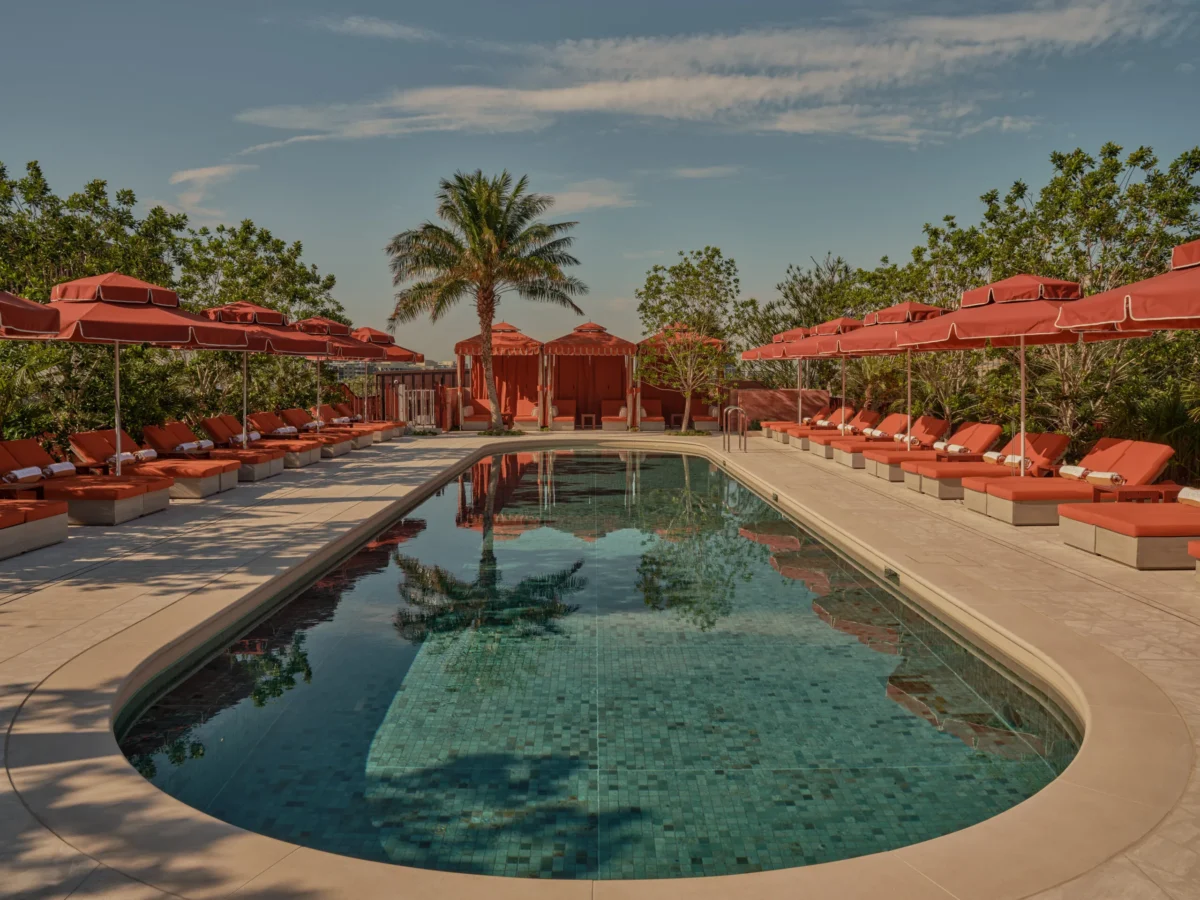
Think about the places where people enjoy spending time. Chances are they aren’t defined by a single building or destination. They’re neighbourhoods where cafés sit alongside apartments, workplaces are within walking distance, they offer diverse entertainment options, green spaces invite people to slow down and everyday conveniences are close at hand.
That’s exactly the thinking behind mixed use property developments. Rather than separating where people live, work, shop and connect, they’re bringing those experiences together to create communities that feel more connected, convenient and sustainable.
As Australian cities continue to grow and evolve, residential mixed use developments are becoming an important part of urban planning, creating places designed around the way people live today.
What is a mixed use development?
A mixed use development project combines different property types within a single precinct or neighbourhood. Residential apartments may sit alongside retail shops, cafés, restaurants, commercial offices, public spaces and community facilities.
This approach creates destinations where people can access many of the services they need without travelling long distances.
While the concept isn’t new within urban development in Australia, today’s mixed use developments are far more integrated than those of previous generations.
Rather than simply placing different buildings together, they’re carefully designed to create neighbourhoods that feel vibrant, connected and enjoyable throughout the day and into the evening. This is one of the main benefits of mixed use property developments.
Why are mixed use developments becoming more popular?
Changing lifestyles are driving much of the demand for residential mixed use development in Australian cities. Flexible work arrangements mean people are spending more time closer to home. Many now value being able to walk to a café, supermarket or local restaurant rather than relying on a car for every journey.
At the same time, growing populations and increasing pressure on urban infrastructure have encouraged planners and developers to make better use of available land while creating more liveable communities.
According to Anthony Falas, Head of Sales at TOGA:
“People increasingly want neighbourhoods where everyday life is easier. Being able to walk to a café, access various modes of transport, enjoy green spaces and connect with local businesses all contribute to creating communities that people genuinely enjoy living in.”
What are the benefits of mixed use developments?
The greatest benefit of mixed use developments is convenience, but convenience alone doesn’t explain their growing popularity.
Having retail, dining, workplaces and recreation nearby creates a stronger sense of community. Streets remain active throughout the day and into the evening, local businesses benefit from a consistent flow of visitors, and residents spend less time commuting and more time enjoying their neighbourhood.
Rather than viewing home, work and lifestyle as separate parts of everyday life, one of the biggest benefits of mixed use development projects is that they bring all these aspects together in ways that better reflect the way many Australians are choosing to live.
Are mixed use developments more sustainable?
Sustainability is no longer viewed simply as an environmental initiative that’s an added feature of an urban development project. It’s now a fundamental part of the development strategy and planning to create communities that remain practical, resilient and enjoyable for decades to come.
Neighbourhoods that encourage walking, cycling and public transport can reduce reliance on private vehicles while making everyday activities easier to access and promoting opportunities for physical movement and general health.
Thoughtfully designed public spaces, landscaping and shared amenities also encourage people to spend more time outdoors, supporting greater wellbeing and more connected communities.
Thoughtfully designed public spaces, landscaping and shared amenities also encourage people to spend more time outdoors, supporting greater wellbeing and more connected communities.
What does the future of mixed use development look like?
As Australia’s cities continue to evolve, mixed use developments are likely to play an even greater role in shaping urban communities.
Rather than focusing solely on buildings, developers are increasingly considering how people move through neighbourhoods, interact with one another and experience everyday life.
The result is a new generation of urban development in Australia that places equal importance on homes, workplaces, public spaces and the connections between them.
At TOGA, this long-term thinking continues to influence the way communities are planned and delivered, creating places designed not simply for today, but for the way Australians will live tomorrow.
At a glance
Why mixed use developments are growing in popularity
– Homes, retail and workplaces integrated into one precinct
– Walkable neighbourhoods that reduce commuting
– Greater convenience and everyday amenity
– Stronger community connection
– Sustainable urban planning