Categories
News

What Are Mixed Use Developments

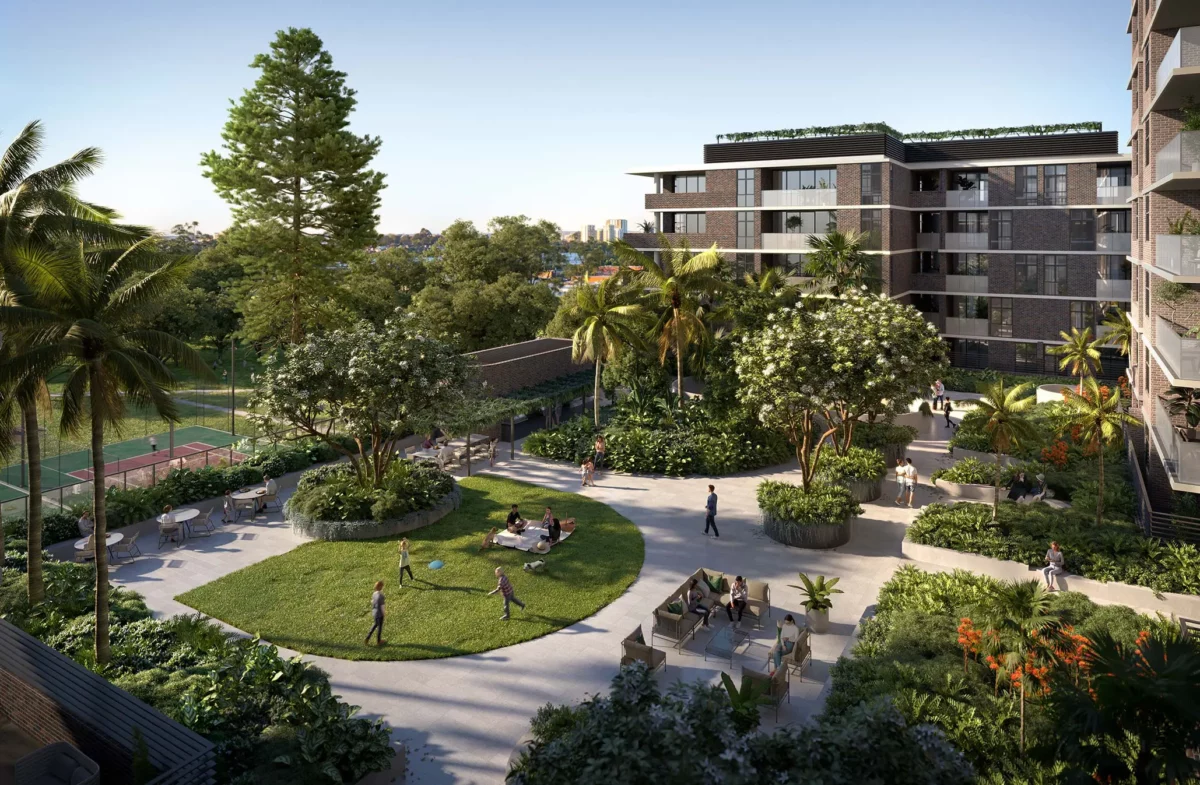
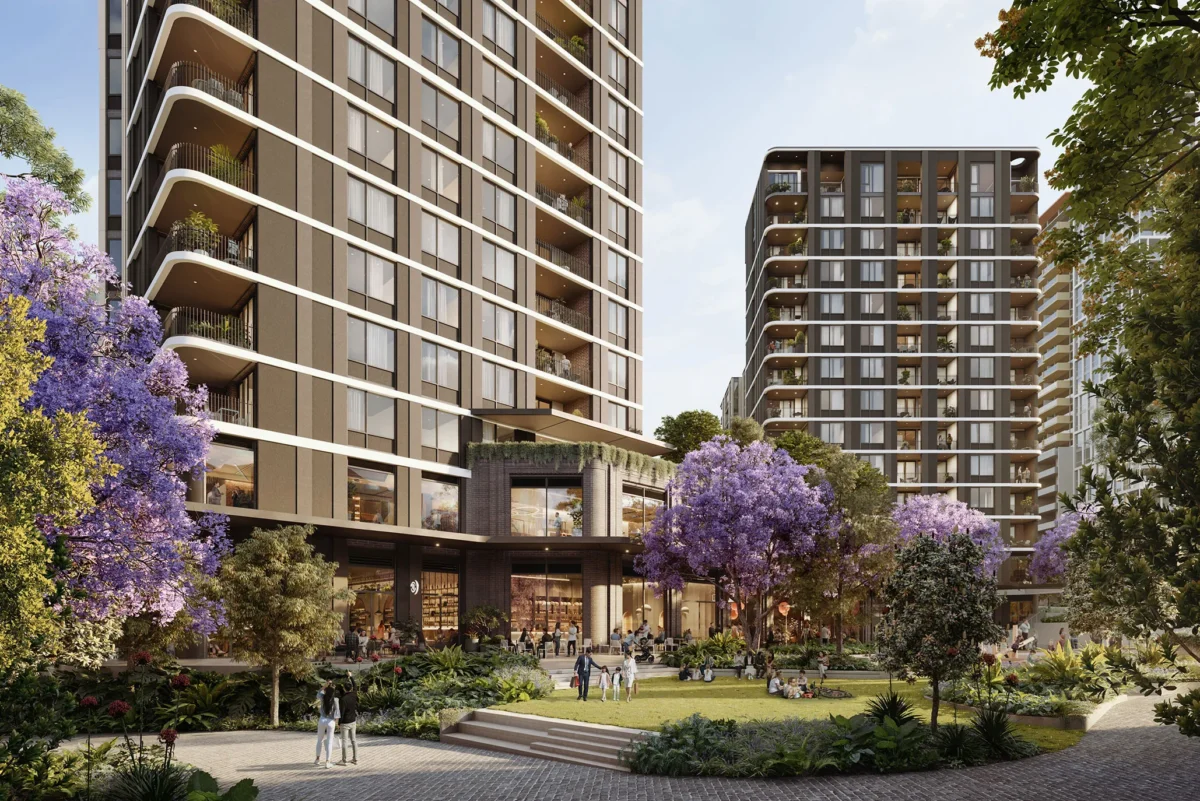
Think about the places where people enjoy spending time. Chances are they aren’t defined by a single building or destination. They’re neighbourhoods where cafés sit alongside apartments, workplaces are within walking distance, they offer diverse entertainment options, green spaces invite people to slow down and everyday conveniences are close at hand.

That’s exactly the thinking behind mixed use property developments. Rather than separating where people live, work, shop and connect, they’re bringing those experiences together to create communities that feel more connected, convenient and sustainable.

As Australian cities continue to grow and evolve, residential mixed use developments are becoming an important part of urban planning, creating places designed around the way people live today.

What is a mixed use development?

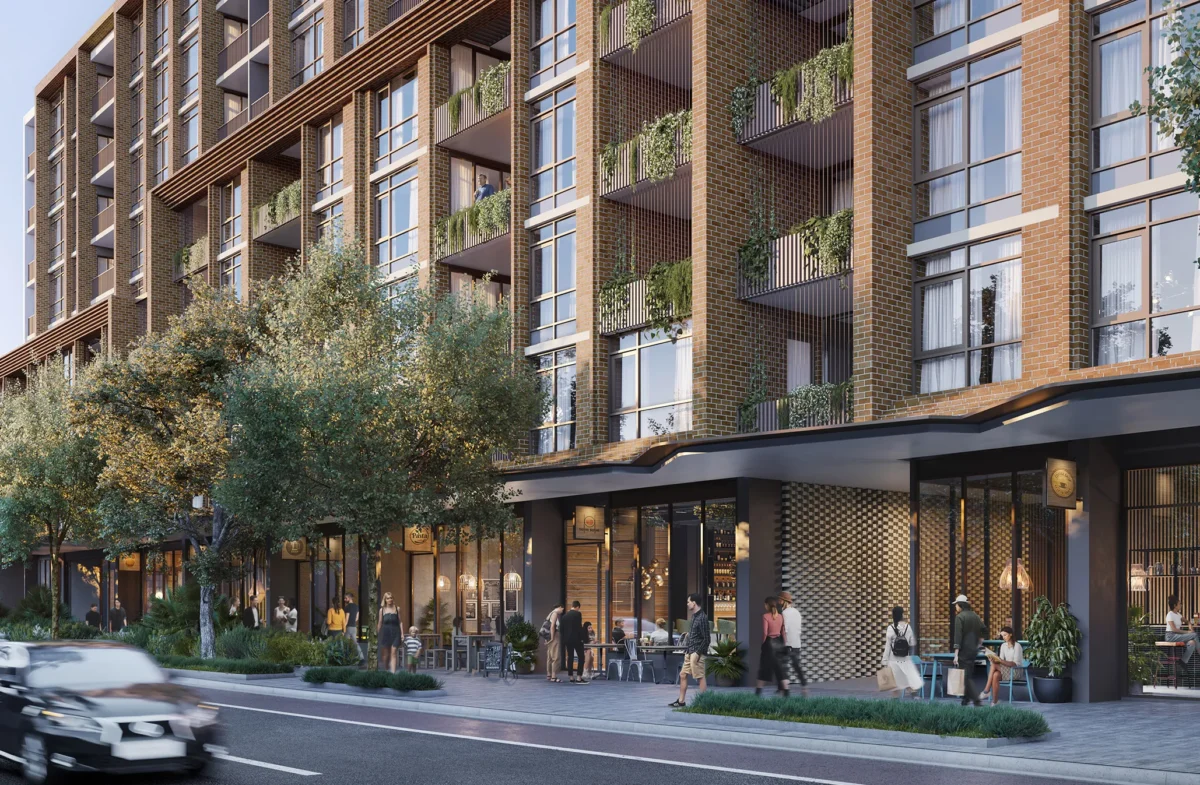
A mixed use development project combines different property types within a single precinct or neighbourhood. Residential apartments may sit alongside retail shops, cafés, restaurants, commercial offices, public spaces and community facilities.

This approach creates destinations where people can access many of the services they need without travelling long distances.

While the concept isn’t new within urban development in Australia, today’s mixed use developments are far more integrated than those of previous generations.

Rather than simply placing different buildings together, they’re carefully designed to create neighbourhoods that feel vibrant, connected and enjoyable throughout the day and into the evening. This is one of the main benefits of mixed use property developments.

Why are mixed use developments becoming more popular?

Changing lifestyles are driving much of the demand for residential mixed use development in Australian cities. Flexible work arrangements mean people are spending more time closer to home. Many now value being able to walk to a café, supermarket or local restaurant rather than relying on a car for every journey.

At the same time, growing populations and increasing pressure on urban infrastructure have encouraged planners and developers to make better use of available land while creating more liveable communities.

According to Anthony Falas, Head of Sales at TOGA:
“People increasingly want neighbourhoods where everyday life is easier. Being able to walk to a café, access various modes of transport, enjoy green spaces and connect with local businesses all contribute to creating communities that people genuinely enjoy living in.”

What are the benefits of mixed use developments?

The greatest benefit of mixed use developments is convenience, but convenience alone doesn’t explain their growing popularity.

Having retail, dining, workplaces and recreation nearby creates a stronger sense of community. Streets remain active throughout the day and into the evening, local businesses benefit from a consistent flow of visitors, and residents spend less time commuting and more time enjoying their neighbourhood.

Rather than viewing home, work and lifestyle as separate parts of everyday life, one of the biggest benefits of mixed use development projects is that they bring all these aspects together in ways that better reflect the way many Australians are choosing to live.

Are mixed use developments more sustainable?

Sustainability is no longer viewed simply as an environmental initiative that’s an added feature of an urban development project. It’s now a fundamental part of the development strategy and planning to create communities that remain practical, resilient and enjoyable for decades to come.

Neighbourhoods that encourage walking, cycling and public transport can reduce reliance on private vehicles while making everyday activities easier to access and promoting opportunities for physical movement and general health.

Thoughtfully designed public spaces, landscaping and shared amenities also encourage people to spend more time outdoors, supporting greater wellbeing and more connected communities.

Thoughtfully designed public spaces, landscaping and shared amenities also encourage people to spend more time outdoors, supporting greater wellbeing and more connected communities.

What does the future of mixed use development look like?

As Australia’s cities continue to evolve, mixed use developments are likely to play an even greater role in shaping urban communities.

Rather than focusing solely on buildings, developers are increasingly considering how people move through neighbourhoods, interact with one another and experience everyday life.

The result is a new generation of urban development in Australia that places equal importance on homes, workplaces, public spaces and the connections between them.

At TOGA, this long-term thinking continues to influence the way communities are planned and delivered, creating places designed not simply for today, but for the way Australians will live tomorrow.

At a glance

Why mixed use developments are growing in popularity

– Homes, retail and workplaces integrated into one precinct

– Walkable neighbourhoods that reduce commuting

– Greater convenience and everyday amenity

– Stronger community connection

– Sustainable urban planning

Categories
News

Renting vs Buying Property in Australia: A 2026 Guide

Few property decisions generate as much discussion as renting versus buying. For generations, owning a home was considered the natural goal. Today, changing lifestyles, career mobility and different financial priorities mean the answer is rarely as straightforward.

Rather than asking whether buying is always better than renting, more Australians are asking a different question: “What’s the right decision for me right now?”

The answer depends on far more than the property market alone. Lifestyle goals, financial readiness and long-term plans all play an important role in deciding whether renting or buying is the right next step.

Is it better to rent or buy?

There’s no universal correct answer to this question. There are various pros and cons that must be weighed up when it comes to buying versus renting a home. Buying a home can provide long-term security, the opportunity to build equity and greater control over your living environment.

Renting, on the other hand, offers flexibility and can make it easier to live closer to employment, education or lifestyle destinations that may otherwise be difficult to access.

Choosing when to rent or buy property is a very personal decision. People who want to consider the financial aspects of this decision can use a rent vs buy calculator to evaluate what might suit their current and future circumstances.

Questions to ask include target property price and borrowing capacity, estimated deposit required to purchase, weekly or monthly rental budget and number of years someone may plan to spend living in a property.

Beyond the financials, there are lifestyle, work, family planning, travel and other personal plans that need to be considered.

Rather than viewing the decision as right or wrong, many Australians are weighing up which option best supports their current life stage, as well as their longer term life plans.

What are the benefits of buying a home vs renting?

For many people, purchasing a home remains an important financial and personal milestone. Often referred to as “the great Australian dream”, home ownership provides stability, allows owners to build equity over time and gives them greater freedom to personalise their property without the restrictions that can accompany renting.

Owning a property can also provide emotional fulfilment and peace of mind. In addition, buying also offers greater certainty for people planning to remain in one location for many years while creating a valuable long-term asset for the future.

What are the benefits of renting?

Renting offers advantages that are becoming increasingly relevant in today’s market. Renting provides flexibility for people whose careers may require relocation, those wanting to experience different neighbourhoods or buyers who are still saving for a future property purchase.

Many renters also enjoy access to locations, suburbs and lifestyles that may currently be beyond their purchasing budget, allowing them to prioritise convenience and lifestyle while continuing to plan for future property ownership.

Which brings us to a common approach many people now take to provide lifestyle flexibility as renters while also stepping onto the property ladder – ‘rentvesting’.

What is ‘rentvesting’?

One strategy gaining popularity when buying property in Sydney Australia is rentvesting. Rather than purchasing a home to live in, rentvestors buy an investment property in a location that offers strong long-term potential while continuing to rent elsewhere to suit their lifestyle or work commitments.

This approach allows buyers to enter the property market while maintaining the flexibility to live where it best suits their personal circumstances. Rental income helps offset property holding costs such as mortgage, rates and repairs. And capital growth in their investment property can provide rentvestors with a robust deposit to purchase in an area they want to settle in long-term.

When is the right time to buy property?

Buying property in Sydney Australia is about personal readiness. Timing isn’t determined solely by market conditions which can fluctuate in times of uncertainty around interest rates, inflation and competition for property.

It’s a large financial commitment that requires people to have a clear understanding of their financial position, future plans and the type of property that supports their lifestyle. Personal circumstances, goals and lifestyle are just as, if not more important than, interest rates or market movement.

Whether purchasing a first home or an investment property, taking a long-term view generally leads to more considered decisions, rather than focusing on short term factors and media noise.

According to Anthony Falas, Head of Sales at TOGA:
“There’s no single path into property. We’re seeing more people making decisions based on their individual goals, financial position and the lifestyle they want to create. The important thing is choosing a strategy that works for you both today and into the future.”

Looking beyond the buy-versus-rent debate

The property market has evolved considerably and so have the choices available to Australians. Buying or renting no longer needs to be viewed as an either/or proposition. A strategic approach means people can choose the option that supports their current circumstances while keeping opportunities open for the future.

At TOGA, understanding how people live, work and plan for the future continues to shape developments that support buying, renting and a wide range of lifestyles, which helps create communities designed for every stage of life’s journey.

At a glance

Questions to consider when deciding whether to rent or buy

– Current financial position

– Lifestyle priorities

– Long-term career plans

– Location preferences

– Investment goals

– Future flexibility
Categories
News

The Future of Urban Living: Apartment Trends Reshaping Australia

Australia’s urban landscape is rapidly evolving as changing lifestyles, technology, sustainability, and community-focused design continue to influence the way people live. From Sydney and Melbourne to Brisbane and beyond, modern apartment developments are no longer just about location – they are about creating experiences that support convenience, wellness, flexibility, and long-term value.

As the demand for smarter and more connected living grows, the future of urban living is being shaped by innovative approaches in property development in Australia. Today’s residents are looking for more than a home; they want vibrant communities, sustainable environments, and thoughtfully designed spaces that complement modern lifestyles.

The Rise of Lifestyle-Focused Apartment Living

One of the biggest shifts in Australia’s residential market is the move towards lifestyle-driven apartment communities. Buyers and renters are prioritising developments that offer integrated amenities such as wellness spaces, coworking areas, rooftop gardens, retail precincts, and easy access to transport and entertainment hubs.

Modern urban residents value convenience and connectivity. This has encouraged every leading real estate developer in Australia to rethink traditional apartment designs and create communities where people can live, work, and socialise within the same environment.

Developments that focus on walkability, open green spaces, and shared community experiences are becoming increasingly attractive, particularly among younger professionals, downsizers, and investors seeking future-ready properties.

Sustainability Is Becoming Essential

Sustainability is no longer an optional feature in residential projects – it has become a major expectation among Australian homebuyers. Energy-efficient buildings, smart water management systems, solar integration, and environmentally conscious construction materials are now key priorities in modern developments.

The future of property development in Australia is closely connected to sustainable urban planning. Buyers are becoming more aware of the long-term environmental and financial benefits associated with eco-friendly buildings. Apartments designed with sustainability in mind can help reduce utility costs, improve indoor comfort, and support healthier lifestyles.

Developers are also incorporating more green spaces, natural ventilation, and energy-efficient technologies into projects to align with growing environmental expectations and evolving government regulations.

Smart Technology Is Transforming Modern Apartments

Technology continues to redefine urban living across Australia. Smart apartment features such as app-controlled lighting, keyless entry systems, smart security, and energy monitoring tools are becoming increasingly common in premium developments.

As digital lifestyles become more integrated into everyday routines, a forward-thinking real estate developer in Australia understands the importance of creating homes that support flexibility and convenience.

Technology-driven apartment communities are also helping improve safety, efficiency, and resident experience. From parcel management systems to EV charging stations and smart building management, innovation is shaping the next generation of residential living.

Flexible Spaces for Changing Lifestyles

The way Australians use their homes has changed significantly in recent years. Remote work and hybrid lifestyles have increased the demand for flexible living spaces that can adapt to both personal and professional needs.

Modern apartments are now being designed with multifunctional layouts, dedicated study areas, shared coworking facilities, and adaptable communal spaces. These features are especially important for urban professionals who seek balance between work, lifestyle, and convenience.

This shift is influencing the future direction of property development in Australia, encouraging developers to prioritise functionality alongside aesthetics.

Community-Centred Developments Are Growing

People increasingly want to feel connected to the communities they live in. As a result, residential developments are becoming more community-focused, with spaces designed to encourage interaction and social engagement.

Shared lounges, wellness centres, landscaped gardens, cafes, and recreational areas help create a sense of belonging among residents. This trend reflects a broader change in how Australians define quality living.

Leading developers are recognising that successful projects are about more than buildings – they are about creating environments where people can thrive. This approach is helping reshape the role of the modern mixed use real estate developers in Australia.

The Importance of Trusted Developers

As urban living continues to evolve, choosing the right developer has become increasingly important for buyers and investors. Reputation, quality, sustainability, and long-term vision all play a significant role in purchasing decisions.

TOGA is recognised for delivering premium developments that combine design excellence, innovation, and community-focused living experiences across Australia. With decades of experience in residential, commercial, and mixed-use developments, TOGA continues to contribute to the transformation of modern urban living.

By focusing on quality craftsmanship, strategic locations, and future-ready design, TOGA reflects the evolving expectations shaping the future of mixed use property development Australia.

Looking Ahead

The future of apartment living in Australia will continue to be driven by sustainability, technology, flexibility, and lifestyle integration. As cities become more connected and urban populations grow, developers will need to create spaces that balance functionality, wellness, and community engagement.

For buyers, renters, and investors alike, modern apartments are becoming more than places to live – they are becoming long-term lifestyle destinations designed around the needs of future generations.

As the industry evolves, every innovative real estate developer in Australia will play a key role in shaping smarter, greener, and more connected urban communities that define the next chapter of Australian living.

Categories
News

The Evolution of Luxury Living in Australia’s Growing Cities

Australia’s major cities are experiencing a remarkable transformation in the way people define luxury living. As urban populations continue to grow and lifestyles evolve, premium residential developments are no longer focused solely on prestige or location. Today, luxury living is about convenience, sustainability, wellness, smart design, and creating meaningful lifestyle experiences.

From Sydney and Melbourne to Brisbane and emerging metropolitan hubs, developers are responding to changing buyer expectations with innovative residential communities that blend modern architecture, technology, and lifestyle-driven amenities. This shift is redefining the future of urban living and influencing the direction of real estate property development across Australia.

Luxury Living Is Becoming Lifestyle-Focused

Modern homebuyers are seeking more than spacious apartments and premium finishes. They want homes that support flexible lifestyles, wellbeing, and convenience. This has led to a growing demand for integrated residential communities that include fitness facilities, rooftop entertainment areas, wellness spaces, coworking lounges, cafes, and green outdoor environments.

Luxury developments are increasingly designed around the idea of creating connected communities where residents can live, work, socialise, and relax within the same precinct. These lifestyle-focused features are now becoming key differentiators in Australia’s premium residential market.

As a result, every forward-thinking property investment company in Australia is adapting to meet the expectations of buyers looking for long-term value combined with elevated living experiences.

The Rise of Smart and Sustainable Developments

Sustainability is playing a major role in the evolution of luxury living. Environmentally conscious buyers are prioritising properties designed with energy efficiency, natural ventilation, water-saving systems, and sustainable building materials.

Developers are also incorporating smart home technologies that enhance convenience and efficiency. Features such as app-controlled lighting, integrated security systems, smart climate control and EV charging stations are becoming increasingly common in premium apartment developments.

The future of real estate property development in Australia will continue to be shaped by sustainable urban planning and technology-driven innovation. Buyers are no longer simply investing in a home – they are investing in a smarter and more sustainable lifestyle.

Prime Locations Continue to Drive Demand

While luxury living has evolved beyond location alone, proximity to lifestyle amenities still remains a major priority for buyers and investors. Premium residential developments in well-connected urban areas continue to attract strong demand due to their accessibility, convenience, and long-term growth potential.

Modern residents value walkability, transport connectivity, dining precincts, entertainment hubs, and access to green spaces. This trend is influencing how developers plan and design new communities in Australia’s growing cities.

For any leading property investment company in Australia, identifying strategic urban locations remains an essential part of creating successful residential projects that appeal to both owner-occupiers and investors.

Wellness and Community Are Shaping Modern Design

Wellness has become one of the defining elements of luxury apartment living. Buyers are increasingly seeking homes that support healthier lifestyles, mental wellbeing, and community connection.

This has encouraged developers to prioritise natural light, open-air spaces, landscaped gardens, wellness amenities, and communal gathering areas. Shared spaces such as rooftop terraces, yoga studios, outdoor lounges, and wellness centres are now considered valuable additions to premium developments.

The evolution of real estate property development reflects a growing understanding that luxury living is not only about aesthetics – it is also about enhancing everyday quality of life.

Flexible Living for a New Generation

Changing work habits and evolving lifestyles are also influencing the design of modern apartments. With remote and hybrid work becoming more common, buyers are looking for flexible spaces that accommodate both professional and personal needs.

Developers are responding with multifunctional floorplans, dedicated study areas, shared coworking facilities, and adaptable communal spaces that support modern urban living.

This flexibility is becoming increasingly important in Australia’s competitive property market, particularly among younger professionals and lifestyle-focused buyers seeking long-term convenience.

TOGA’s Contribution to Modern Urban Living

TOGA continues to play an important role in shaping premium residential communities across Australia. Known for its commitment to quality, innovation, and thoughtful urban design, TOGA delivers projects that combine lifestyle, sustainability, and architectural excellence.

With experience across residential, commercial, and mixed-use developments, TOGA reflects the future direction of real estate property development by creating communities designed around the evolving needs of modern Australians.

By focusing on premium locations, integrated living experiences, and future-ready design, TOGA continues to stand out as a trusted name in Australia’s property sector.

What’s Next for Urban Living?

The future of luxury living in Australia will continue to evolve as cities grow and buyer expectations change. Sustainability, smart technology, wellness, and community-focused design will remain central to the next generation of residential developments.

As urban lifestyles become increasingly experience-driven, the role of every innovative property investment company Australia will be to create spaces that offer more than just accommodation – they will create environments that support connection, wellbeing, and long-term lifestyle value.

Luxury living is no longer defined solely by prestige. In Australia’s growing cities, it is now defined by the ability to combine comfort, convenience, sustainability, and community into one seamless urban experience.

Categories
News

Smart Apartment Buying Tips for First-Time Property Buyers in Australia

Buying your first apartment is one of the biggest financial decisions you will ever make. With Australia’s property market continuing to evolve, first-time buyers are becoming more strategic about choosing homes that offer long-term lifestyle value, strong locations, and future growth potential.

From understanding budgets and financing to choosing the right developer and location, there are several important factors to consider before purchasing. Whether you are searching for modern city living or planning your first investment, knowing what to look for can help you make a smarter and more confident decision.

Today, many buyers exploring apartments for sale are prioritising convenience, lifestyle amenities, sustainability, and connectivity as part of their purchasing journey.

Understand Your Budget Before You Start

One of the first steps for any first-time buyer is understanding the total cost involved in purchasing an apartment. Beyond the property price itself, buyers should also consider additional expenses such as stamp duty, legal fees, strata fees, loan costs, and moving expenses.

Setting a realistic budget helps narrow down your options and prevents unnecessary financial stress later. It is also important to get pre-approval from a lender before beginning your property search, as this gives you a clearer understanding of your borrowing capacity.

As competition remains strong across major Australian cities, buyers looking at premium apartments for sale should focus on balancing affordability with long-term value.

Research the Location Carefully

Location remains one of the most important factors in property buying. A well-connected apartment in a growing suburb can offer better lifestyle convenience and stronger long-term growth potential.

When evaluating a location, consider factors such as:

  • Access to public transport
  • Nearby schools and universities
  • Shopping and dining precincts
  • Green spaces and recreational facilities
  • Future infrastructure developments

Areas experiencing urban renewal and mixed-use development often attract strong demand from both owner-occupiers and investors. Choosing the right suburb can significantly influence your future property value and living experience.

Choose a Trusted Real Estate Developer

The quality of the developer behind a project plays a major role in the long-term success of a property purchase. An experienced real estate developer is more likely to deliver quality construction, thoughtful design, and reliable after-sales support.

Before buying, research the developer’s track record, completed projects, industry reputation, and customer reviews. Buyers should also look at the quality of finishes, sustainability initiatives, and community-focused design elements included in previous developments.

Trusted developers prioritise both construction quality and lifestyle outcomes, helping buyers feel more confident in their investment decisions.

Focus on Lifestyle and Functionality

Modern apartment living is about more than just square metres. Buyers today are increasingly prioritising layouts and amenities that support flexible and comfortable lifestyles.

Features such as open-plan living, natural light, storage solutions, outdoor spaces, coworking facilities, gyms, rooftop gardens, and wellness areas can significantly improve everyday living experiences.

As more Australians embrace apartment living, premium developments are evolving to provide integrated lifestyle communities rather than standalone buildings.

This trend has reshaped the expectations surrounding apartments for sale, especially in major urban centres like Sydney and Melbourne.

Understand the Importance of Sustainability

Sustainability is becoming a major consideration for modern homebuyers. Energy-efficient apartments can help reduce long-term utility costs while supporting environmentally responsible living.

Many new developments now include:

  • Energy-efficient appliances
  • Water-saving systems
  • Sustainable building materials
  • Smart home technology
  • Electric vehicle charging stations

An experienced real estate developer understands the growing importance of sustainable living and incorporates these features into future-focused residential communities.

Review the Apartment Inclusions Carefully

Before purchasing an apartment, carefully review everything included in the contract and project specifications. Buyers should pay attention to:

  • Floorplans and apartment orientation
  • Appliance brands and finishes
  • Storage and parking allocations
  • Strata fees and building facilities
  • Completion timelines for off-the-plan purchases

Understanding these details early helps avoid misunderstandings and ensures the property aligns with your expectations and lifestyle needs.

Consider Long-Term Value

For first-time buyers, purchasing an apartment should not only meet current needs but also support future goals. A well-located apartment with strong design quality and desirable amenities may offer better long-term resale value and rental demand.

When reviewing apartments for sale, it is important to think beyond short-term trends and focus on properties that will continue to appeal to future buyers and tenants.

Properties located within vibrant, walkable communities with transport access and lifestyle amenities often maintain stronger long-term appeal.

TOGA’s Approach to Modern Apartment Living

TOGA Apartments for Sale in Australia showcase a range of thoughtfully designed residential developments that reflect the changing expectations of modern Australian buyers.

As a trusted TOGA, it continues to deliver premium residential communities focused on quality, sustainability, lifestyle, and long-term value. With developments across sought-after Australian locations including Kensington, Marrickville, Surry Hills, and Macquarie Park, TOGA creates spaces designed for modern urban living.

Projects such as The Kensington and Macquarie Rise highlight TOGA’s commitment to creating connected communities with premium amenities, flexible layouts, and future-ready design.

Final Thoughts

Buying your first apartment can feel overwhelming, but careful planning and research can help simplify the process. From choosing the right location and developer to understanding long-term lifestyle value, every decision contributes to a smarter property purchase.

As Australia’s cities continue to grow, first-time buyers who focus on quality developments, sustainable features, and future-ready communities will be better positioned for long-term success in the property market.

With the right guidance and a trusted real estate developer, purchasing your first apartment can become the foundation for both lifestyle growth and future financial opportunity.

Categories
Urban.com.au

TOGA lodge Kensington apartment plans

The prominent Sydney developer, TOGA, has lodged plans for their next residential apartment development.

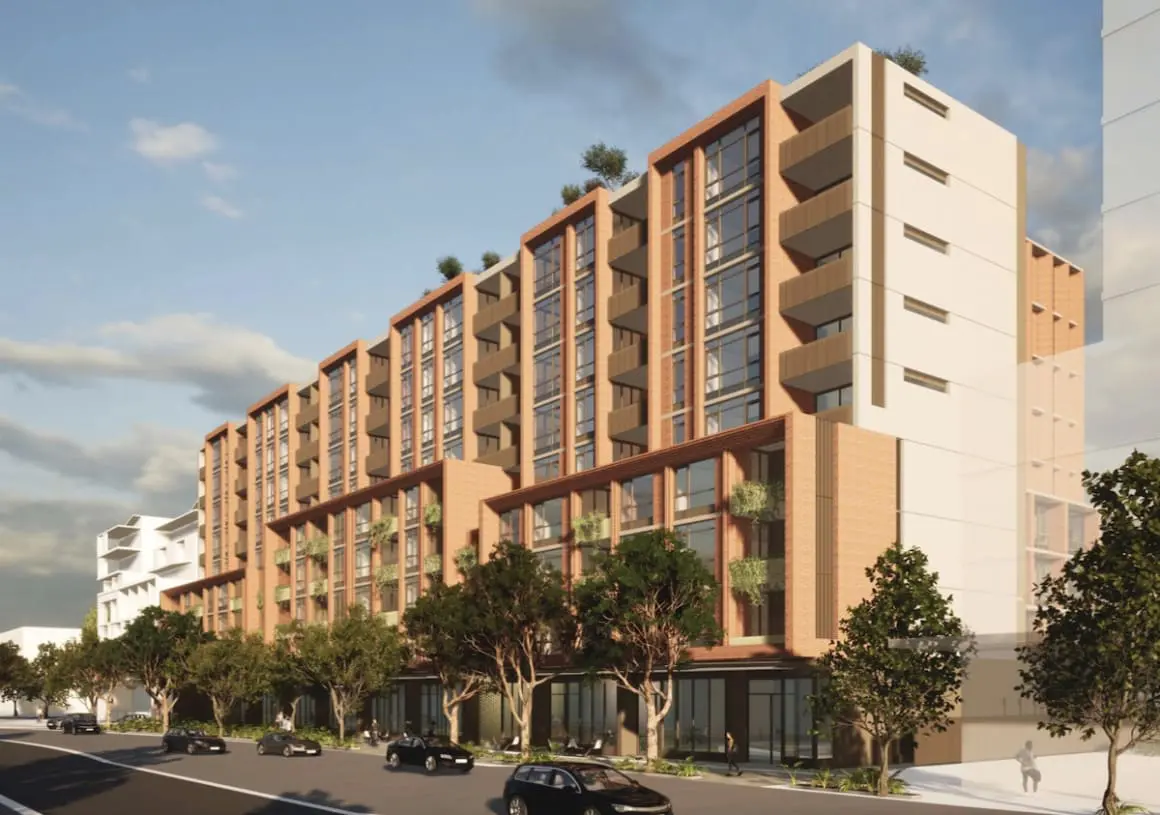
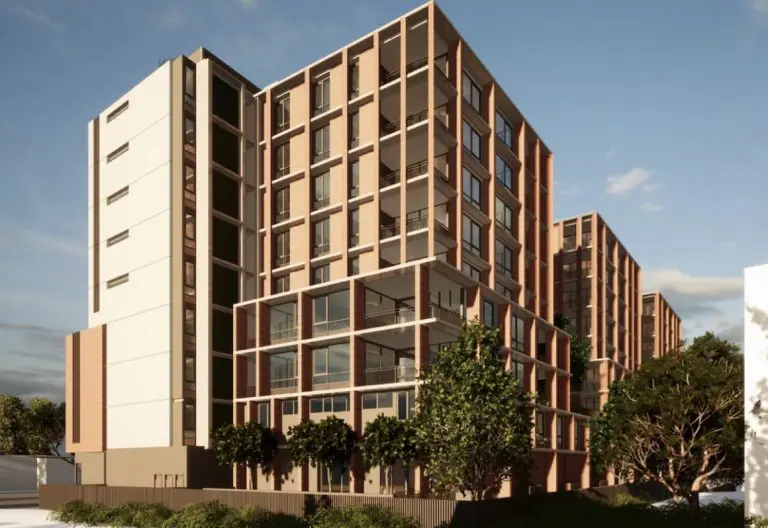
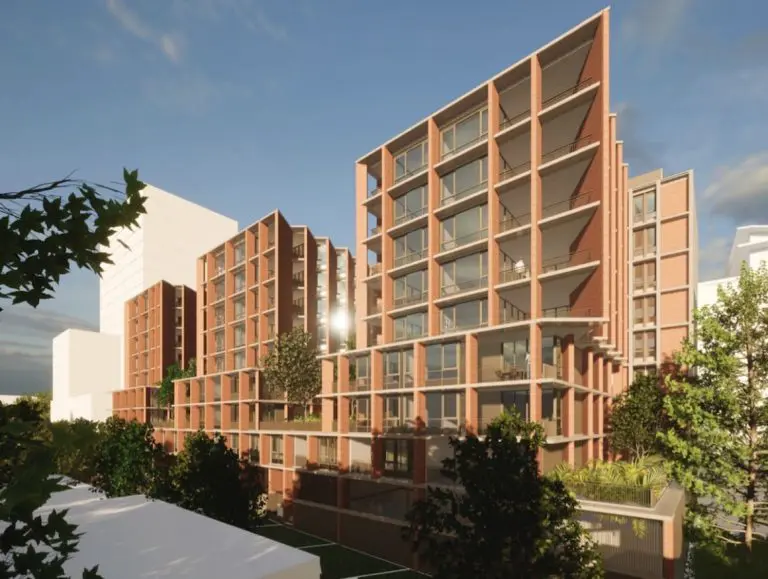
They’ll be developing for the first time in Kensington, where they’ve submitted a development application for 142 apartments above a mix of commercial and retail at street level. The expectation is approval and sales launch will occur around April time.

Turner Studio has designed the $59 million project at 137-151 Anzac Parade, having handled TOGA’s popular mixed-use Marrickville precinct, Wicks Place, which is around 50 per cent sold.

Artist’s impression

TOGA’s GM of sales, Anthony Falas, says the Kensington development is targeting the higher end owner-occupier.

“The two-bedders are 80, 85 sqm, at the larger end of the scale for a typical two-bedroom apartments,” Falas told Urban.

“We’ve dedicated over 75 per cent of the building to the two and three-bedroom product, offering something that is rare for the area”

Falas added that TOGA wanted to cater for a different market than the area is used to, going away from the more common developments which are targeted at the student accommodation given the proximity to the UNSW Randwick Campus.

TOGA are also offering a range of unique apartments in the project. The SoHo apartments, spread across two levels, give owners the opportunity to have a separate work from home space downstairs, with a studio-style apartment upstairs, accessed by an external staircase.

Falas suggests there may well be buyers of those apartments who will lease out the ground level office space.

Turner Studio Director Kevin Driver, who directed the development application design and documentation, noted in the application that the proposed development will provide a built environment suited to the context that responds to the desired future characteristics of the area, while taking cues from the existing context in terms of streetscape, material and landscaping.

Artist’s impression

“This will be achieved by well-designed building and public realm offering good amenity for the resident population and the visitors to the site,” Driver said.

“By integrating and responding to features unique to its locality the development will provide a higher quality of contextually relevant spatial experience.

“The context is undergoing change following the emergence of the Kensington and Kingsford Town Centres Development Control Plan.”

The development will feature rooftop communal open space with an outdoor dining barbecue area, flexible activity zones, a study and recreation area, and communal gardens, all with the aim to improve wellness of the residents.

There will be further communal open space at street level, with a future laneway proposed.

Turner advise that apartment layouts have been developed to maximise the number of north, west and east facing living spaces to ensure each building meets solar access requirements.

Artist’s impression

Some 20 per cent of the apartments will be adaptable in order to provide variety to potential purchasers.

“The site and its environs are undergoing change from a lower-scale residential suburb/retail strip to a higher density residential/mixed-use precinct, incorporating new open space and laneways,” Driver added.

“The architecture and materiality of the proposal draws on the local vernacular, while responding to precinct.

“The architectural design intent and principles are based on a series of articulated volumes to both Anzac Parade and the future laneway to the west. These are given a series of familial characterisations through the use of brick frames/blades and expressed slab edges.”

Fast facts:

– 142 apartments

– 19 one beds

– 78 two beds

– 31 three beds

– 14 SOHO apartments

– 691 sqm of commercial, 724 sqm of retail

Categories
GOOD WEEKEND

How display suites build a case for property

We live in an era where the real and the virtual often merge, especially when it comes to selling property. Sophisticated CGI is used to market projects that are mere holes in the ground, seducing us with depictions of how they might eventually look.

A step between CGI and the end product is the traditional display suite, which can be a good means of showing the decorative and lifestyle potential of a space, while also providing touch, feel and atmosphere.

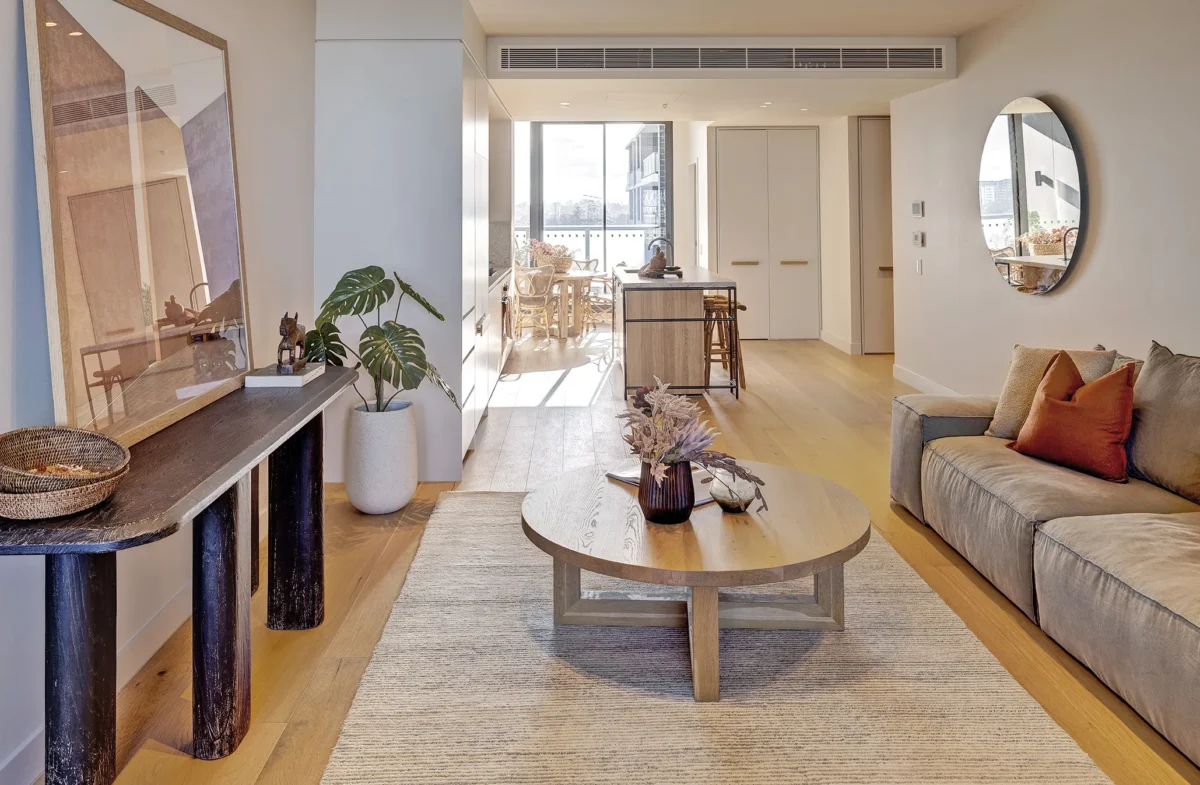
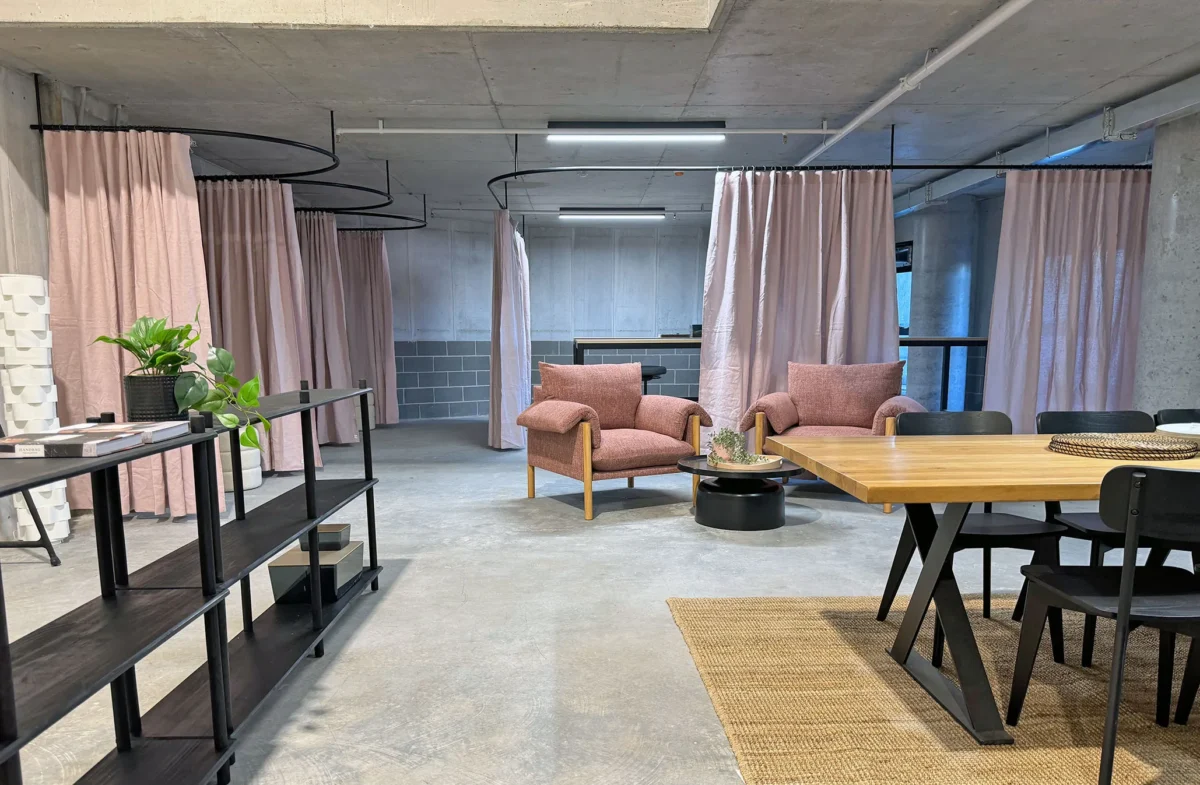
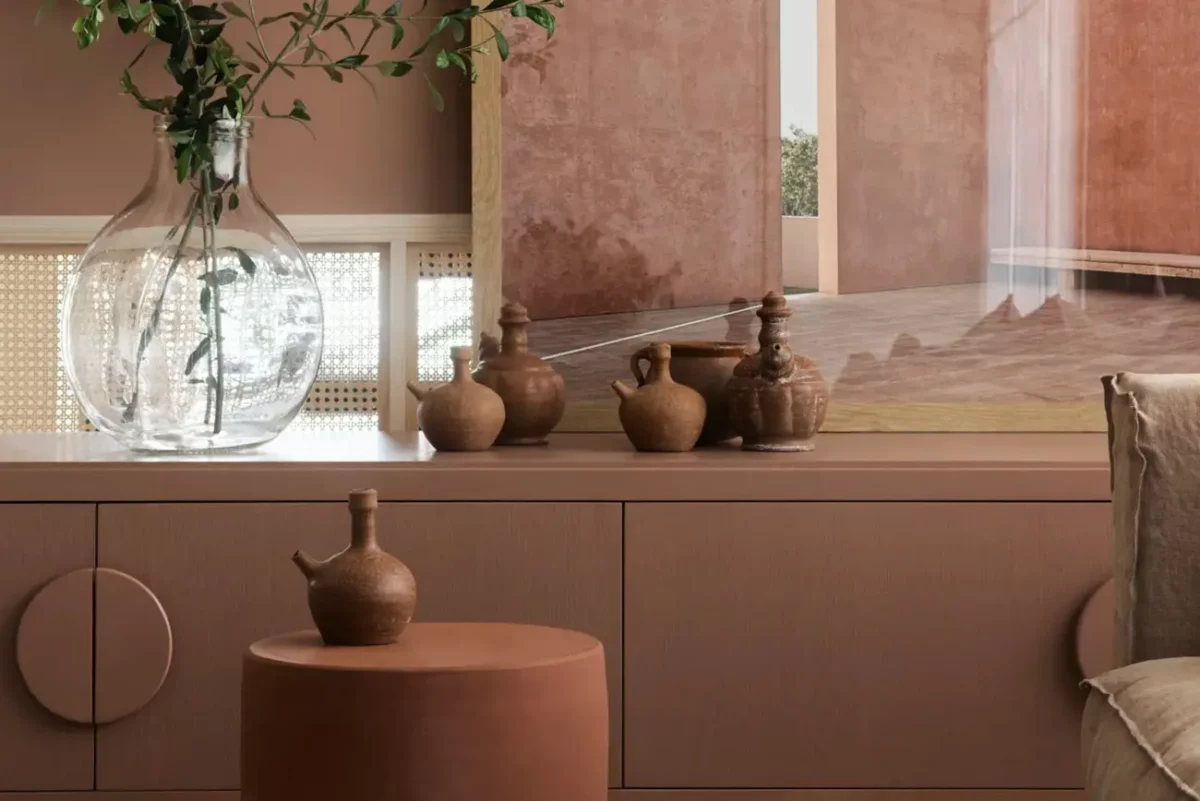
One of the most successful display suites I’ve seen was created by interior design practice Richards Stanisich for Wicks Place, a development by TOGA Group in Sydney’s Marrickville. “We were interested in creating an apartment interior which felt relaxed, earthy and accessible,” says director Kirsten Stanisich.

Using terracotta as a base, they worked with a tight colour palette to create the sense of refinement their property developer client was after. While fairly uniform tonally, a number of different materials have been used, each with a distinctive texture.

“We sourced materials made with minimal processing, like the linen on the sofa, the wool and sisal rugs, and the terracotta side table and vessels,” she says.

The pièce de résistance is a framed photograph by Terence W. “Because the materials represented within the image and the real-life materials around it are the same, it works a little like a giant mirror or portal, which could magically transport you to another place.”

Categories
Domain

Wicks Place: The new residential community hub celebrating Marrickville’s industrial heritage

A new community in Marrickville blends the inner-west’s famed industrial heritage with a fresh new laneway culture to create a vibrant place for residents to live, work and socialise.

Wicks Place from developers TOGA and Danias Group will include more than 250 new homes, as well as shops, creative spaces and direct access to Wicks Park as part of the wider revitalisation of the Victoria Road precinct.

Raw materials such as brick, metal cladding and concrete will be incorporated into the design of the new buildings, as architect Stephen Cox, a director at Turner Studio, explains.

Wicks Place - Kitchen Living
Wick’s Place will contain more than 250 new homes. Photo: TOGA

“Our vision for Wicks Place draws upon Marrickville’s longstanding community spirit and its dual residential and industrial past,” Cox says. “We’ve sought to create a place that brings delight to those who live and visit and leave a lasting legacy for the evolving suburb.”

The design connects a podium courtyard and ground-level retail stores to Wicks Park. More than 2300 square metres of retail and commercial spaces are planned. New laneways and footpaths create links to nearby streets and the surrounding neighbourhood.

“Just as Marrickville gains strength in diversity, there’s real diversity in the design layouts here too. There are triple and dual aspect apartments in one, two and three-bedroom homes. Even better, everyone gets an outlook,” Cox says.

Buyers have the choice of two interior colour palettes. Photo: TOGA

The five buildings are up to 12 storeys high. Homes on the upper floors offer sweeping city, district and park views. Closer to ground level, residents will have a vivid green backdrop from the communal gardens and Wicks Park. Many of the residences have oversized terraces and studies.

Kirsten Stanisich, director at Sydney interior architecture studio Richards Stanisich, outlines the vision behind the interior design.

“We’ve taken cues from the building’s architecture, the people who’ll live there and the natural environment,” Stanisich says. “Nature shapes the interior palette – a great counterpoint to our increasingly urban lives.”

Nature shapes the interior palette. Photo: TOGA

Buyers have a choice of two palettes, both of which embrace natural stone and soft colours to create a feeling of calm. “We’ve steered away from fads and trends and really sought to capture the unaffected spirit of the neighbourhood.”

The developer’s vision for the precinct includes craft breweries, gin distillers, coffee shops, artisan food outlets, boutique music venues, local pubs and a new creative arts centre.

Categories
Architecture and Design

TOGA unveils Turner’s rejuvenating design for iconic Marrickville precinct

Developers TPGA and the Danias Group have engaged Turner to design Wicks Place, with 272 apartments and over 2,300 square metres of boutique retail and commercial spaces.

The new community is part of the wider revitalisation of Marrickville’s Victoria Road Precinct which will create a thriving neighbourhood for residents to live, work and socialise. The new precinct creates connection between the established village centres of King Street, Newtown, Enmore, and Marrickville Road.

A spokesperson for the Toga Group said, “At Wicks Place, we have drawn on Marrickville’s iconic industrial heritage and its strong culture to create a well-connected development for the community that enhances and celebrates the uniqueness of the area”.

“Wicks Place will lead the rejuvenation of the wider Victoria Road Precinct and enhance the residential character of the area, creating a vibrant neighbourhood for a modern urban lifestyle. The precinct will include the introduction of activated laneways, significant planned infrastructure, new retailers, cycleways and community spaces, reinforcing Marrickville’s identity as a highly sought-after place to live.”

The renaissance of the Victoria Road precinct, led by TOGA and Danias, will reinforce Marrickville as a cultural hub of the Inner-West with a vast array of local craft breweries, gin distillers, coffee shops, artisan food outlets, boutique music venues, friendly local pubs and a new creative arts centre.

“Our family have lived, worked and breathed in the area for over 40 years. We have long held a vision to create a contemporary precinct for the local community that will bring a unique experience to Marrickville,” said Angelo Angelopoulos, CEO of the Danias Group.

“Marrickville is going through a revival. People are seeking out the area as a place that has culture, vibrancy, creative spaces and modern living opportunities. Marrickville continues to be one of Sydney’s most searched and sought-after suburbs for property buyers and we believe that this demand will continue to grow,” Angelopoulos adds.

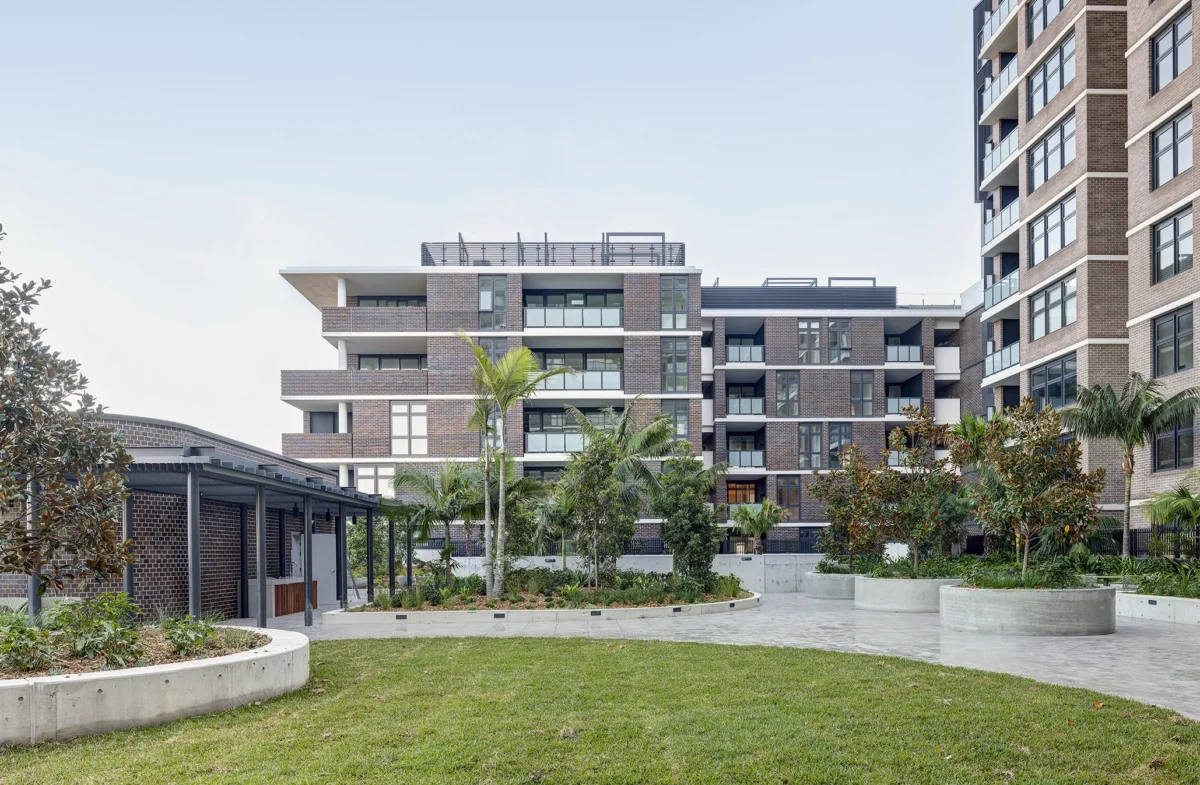
The building design will form a horseshoe shape with a podium park in the centre to take best advantage of environmental conditions, expansive views and the local surroundings; featuring large green spaces, BBQ areas and communal spaces for residents to socialise and enjoy nature.

Director at Turner, Stephen Cox, says, “Wicks Place is about celebrating all the great things about Marrickville. It’s about creating a new place where residents and community want to be. The design connects to the adjoining Wicks Park with both the podium courtyard and the ground level retail stores opening out to embrace the open green spaces. New laneways and pedestrian pathways connect through to nearby streets and the local neighbourhood. Apartments are designed for entertaining, and with 2,300 square metres of convenient retail on the ground floor, Wicks Place is ideal to become a local meeting place.”

Construction will commence in the first half of 2021 and Wicks Place is set to be completed in 2023.

Categories
The Urban Developer

Sydney’s most sought-after development projects

Foreign investors have kept a watchful eye on Australia’s property market during weeks of Covid-19 shutdown with a series of apartment projects in demand across Sydney.

According to REA Group, Australia’s residential property sector has remained high on the radar of foreign investors, with Asian buyers increasingly searching for stable markets and top-end development projects amid the fast-evolving Covid-19 pandemic.

The country’s largest real estate portal found that in the three months to end of June, newly-launched and recently completed development projects across a number Sydney’s most affluent suburbs topped its search results.

It also noted that international searches for property across its platform jumped 22 per cent year-on-year, bolstered by virtual and video inspections in the wake of the international border closure.

High-rise developments such as Crown Group’s recently-completed $575 million Infinity project, Cbus Property’s under construction Epping project The Langston and Meriton’s 553-apartment project in Parramatta, were amongst the most-viewed products online.

Boutique developments also scored the attention of REA’s international audience, with planned projects in revered locations such as Edgecliff and the waterfront suburb of Coogee in focus.

Australia over recent months has been widely recognised on the international stage as being successful in containing the coronavirus outbreak, despite recent clusters emerging in Sydney and Melbourne.

Although still low, Sydney’s residential market has also been buoyed by a recent uptick in home-buyer sentiment across the June quarter, after restrictions started to ease.

Here are the top 10 most-searched development projects by foreign investors in Sydney.

10. Ladera—Primus Property Group

Bellevue Hill

▲ Architect: Luigi Rosselli Architects

9. Infinity—Crown Group
Green Square
▲ Architect: Koichi Takada
8. 180 George—Meriton
Parramatta
▲ Architect: Woods Bagot
7. Anden—Central Element
Coogee
▲ Architect: MHNDU
6. The Langston—Cbus Property
Epping
▲ Architect: Architectus
5. Aristocrat—Luxcon
Rose Bay
▲ Architect: PBD Architects
4. Surry Hills Village—TOGA
Redfern
▲ Architect: SJB, Architect Prineas
3. Pointe—Primo Developments
Edgecliff
▲ Architect: Luigi Rosselli Architects
2. Dusk—Clutch Capital
Rose Bay
▲ Architect: Bureau SRH
1. King & Philip—Galileo
Sydney CBD
▲ Architect: fjmt

Download Brochure

[contact-form-7 id="ac9e8f6" title="Brochure form"]

Download Floor Plan

[contact-form-7 id="f7ed9f5" title="Floor plan form"]